Stubby and Stubborn Dachshund Doxie Dog
First Impressions: A Playful, Personality-Packed Design
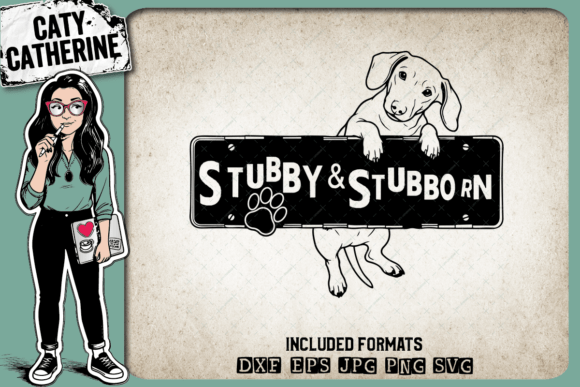
Opening the ZIP file for Stubby and Stubborn Dachshund Doxie Dog, the first thing that strikes me is the charm. This isn’t just a dog design—it’s a character. The dachshund’s exaggerated stubby legs and defiant stance immediately set a lighthearted tone. As a designer, I can see this working well for pet lovers who want to inject humor and personality into their handmade or custom products.
The layout is balanced, with the dog centered and stylized in a way that feels both modern and nostalgic. The lines are clean but not overly simplistic, and there’s enough detail to make the design visually engaging without crossing into complexity that could be problematic for embroidery.
Real-World Use: From Tote Bags to Sweatshirts
I recently worked on a line of pet-themed tote bags for a local boutique, and I found myself thinking how well Stubby and Stubborn Dachshund Doxie Dog would have fit into that collection. The proportions are ideal for a center-stitched design on a tote, and the whimsical nature of the image would appeal to customers looking for a fun, personalized gift.
When I tested the design on a sweatshirt mockup, the contrast between the textured fabric and the smooth satin stitch lines of the dog’s outline held up nicely. The design’s visual weight is just right for heavier materials, and the overall composition doesn’t feel too busy for casual wear.
For baby items or nursery decor, this design could work—but with a note of caution. If the dachshund’s eyes or small facial features are stitched in fine detail, they may not translate well on ultra-soft baby fabrics that tend to shift under the needle. A test stitch-out on a similar material is a must before committing to a final product.
Where to Use It Carefully
While the design is well-structured, it’s not a one-size-fits-all solution. On small hoop sizes, the level of detail might get lost, especially in the facial features and the dog’s paws. If you're planning to embroider this on a curved surface like a cap or a rounded tote handle, be mindful of distortion—especially around the corners of the design.
Dark fabrics will require careful thread color selection. The original design likely assumes a light background, so stitching it on black or navy could mute the intended effect unless contrast is carefully managed. Also, if the design includes small lettering or intricate outlines, those could be problematic on stretchy or loosely woven fabrics.
I’d also be cautious using this on layered garments like hoodies with thick inner linings. The added bulk can cause tension issues, especially in satin-stitched areas like the dog’s outline. And if you're aiming for a crisp embroidered patch, make sure the stabilizer and fabric base are compatible to prevent puckering.
Visual Impact and Customer Appeal
From a product standpoint, Stubby and Stubborn Dachshund Doxie Dog has strong visual appeal. It’s recognizable at a glance and has that “aww” factor that makes it a great fit for personalized gifts. Whether you're selling embroidered baby onesies or custom aprons for a pet-friendly kitchen, this design can elevate the perceived value of your product.
It also has solid brand consistency potential. If you run a small shop or Etsy store with a pet-centric theme, this design could become a recurring element in your offerings—especially when paired with seasonal variations or color swaps.
As a reviewer, I also appreciate how this design feels handmade but professional. It’s not mass-produced looking, which is a big plus for Etsy sellers and craft entrepreneurs trying to stand out in a crowded market. It’s the kind of design that customers will remember and possibly even request again.
Design Notes for Embroidery Professionals
Before stitching out Stubby and Stubborn Dachshund Doxie Dog on a final product, I always recommend doing a test run on scrap fabric. This is especially important if you're using a new stabilizer or thread combination.
- Check thread color contrast—especially if using on darker fabrics.
- Review stitch density in the dog’s body and facial areas to avoid puckering.
- Confirm hoop size compatibility with your machine before stitching on a live project.
- Inspect small details like eyes or nose—these may need adjustment for clarity.
One thing I found helpful was testing the design in black and white mockups. It helped me visualize how the design would look without color distractions, which is especially useful for commercial embroidery clients who want a more subdued version of the design.
Also, always compare how the design looks on both light and dark fabric backgrounds. You may find that certain elements need to be rethreaded or adjusted for optimal visibility.
Finally, make sure you’re using the right stabilizer for your fabric type. A medium-weight tear-away works well for most cottons and blends, but if you're embroidering on stretchy knits or fleece, a cut-away stabilizer will give you cleaner results.
Final Thoughts: A Worthy Addition to Your Design Library
As a professional designer and product reviewer, I’d say Stubby and Stubborn Dachshund Doxie Dog is a solid, versatile addition to any embroidery project targeting pet lovers, gift buyers, or boutique shoppers. It’s got personality, clarity, and enough flexibility to work across a wide range of handmade products.
Whether you're creating a custom embroidered patch, personalizing a tote bag design, or preparing a printable mockup for a digital product listing, this design has the visual strength and adaptability to deliver professional results.
Just remember to test, adjust, and think through the fabric and thread choices before launching into full production. Once you do, this little doxie could become a staple in your creative toolkit.